
 Electronics Design & Development
 PCB Design & Layout Services
 PCB Fabrication & Prototyping
 PCB Assembly & PCBA Services





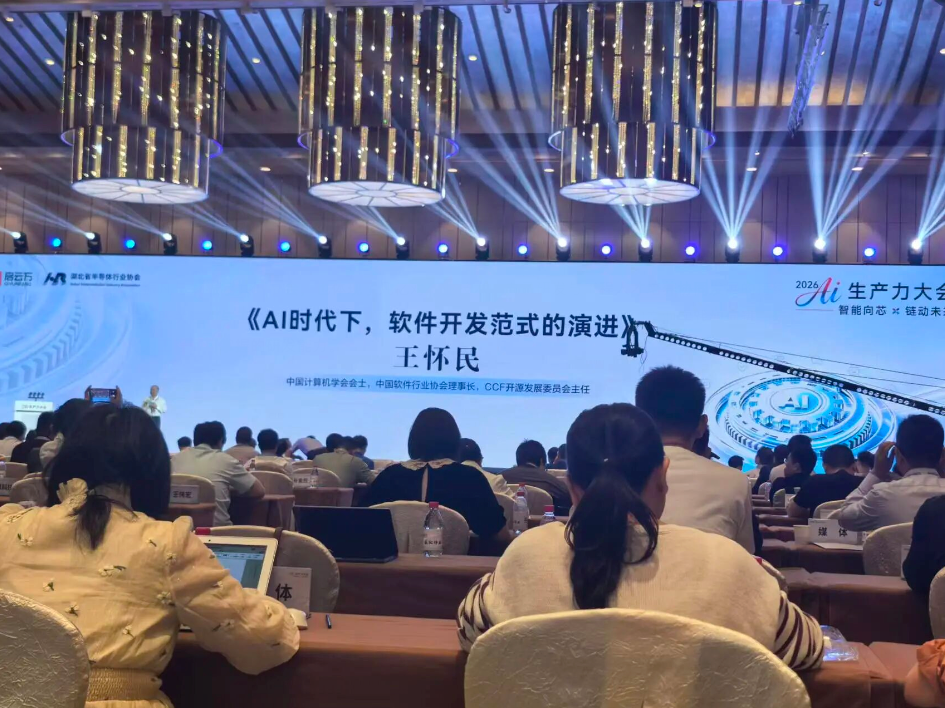
Fany representatives Zheng Zhenfan and Zheng Zhenyu attended the 2026 AI Productivity Conference in Wuhan Optics Valley on September 11. The event brought together participants from industrial software, semiconductors, artificial intelligence and advanced manufacturing to discuss how AI is being applied in engineering, production and business operations.
For Fany, the conference was an opportunity to connect industry developments with its ongoing work in domestic EDA tools, engineering practice and electronics talent development. The focus was not simply on introducing new software, but on how tools and methods can be used in real projects and translated into skills that engineers can apply.
Conference Focus: AI, Industrial Software and Semiconductor Manufacturing
Held under the theme “Intelligence for Chips, Connecting the Future”, the conference was organized by Qiyunfang Technology Co., Ltd. and the Hubei Semiconductor Industry Association, with support from Huawei Technologies, the East Lake High-Tech Development Zone Enterprise Service Center and the HarmonyOS Ecosystem (Wuhan) Innovation Center.
According to the event information, more than 700 experts, industry representatives, ecosystem partners and university representatives attended. Sessions covered semiconductor manufacturing, industrial software, enterprise AI-native platforms, AI security governance, computing infrastructure and industrial collaboration. The event also announced an intelligent industrial software application center intended to help move industrial software from compatibility testing and pilot use into practical industrial settings.
AI Is Moving Deeper into Electronics Engineering
In recent years, AI has made visible changes to content creation and office productivity. A more significant shift for the electronics industry is its gradual entry into core engineering activities: product design, industrial software, simulation, verification, manufacturing and business operations.
For engineering teams, the practical question is no longer simply whether an AI tool can be used. It is whether the tool can understand engineering context, fit into established workflows and help solve real project problems. This is particularly relevant to electronic product development, where design decisions must be checked against electrical performance, manufacturing constraints and product reliability.
Fany is building on its experience in PCB design and EDA to support a broader view of electronic engineering. The emphasis is on more than learning where to click in a software package. Engineers need to understand why a design is structured in a particular way, how to verify it, how to identify faults and how to prepare the design for manufacturing.
From Domestic EDA Tools to Real Engineering Projects
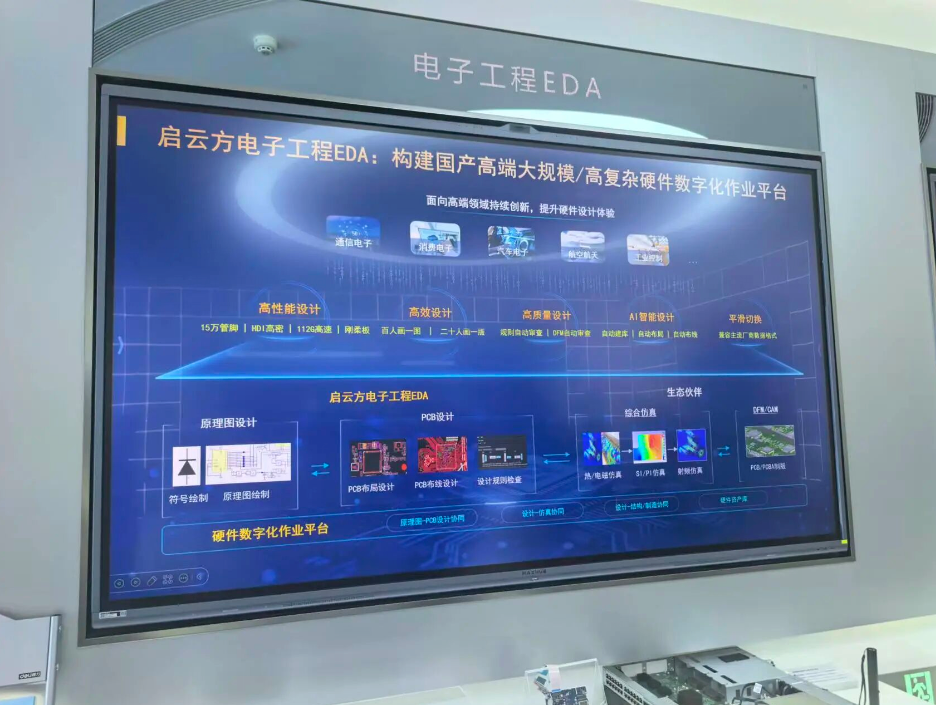
Fany and Qiyunfang have been working together on the application of domestic EDA tools, engineering practice and technical education. The cooperation is intended to connect software use with real electronic projects rather than stop at product demonstrations.
Fany has recorded practical training content for Qiyunfang EDA based on an actual electronics project and is also developing supporting hands-on teaching materials. The aim is to bring together the EDA tool, project workflow, design rules and the skills required in day-to-day engineering work.
The Fany Classroom platform has introduced a full-process practical course using a GD32F103 minimum-system board as its project example. Topics include software installation and project setup, schematic capture, component models, PCB placement and routing, design-rule configuration, DRC checks and Gerber output for manufacturing.
Rather than focusing only on software operation, the course follows the project from circuit design through PCB layout to production-file delivery. This gives learners a clearer view of how EDA tools fit into an actual hardware development workflow.
Turning Tools into Engineering Capability
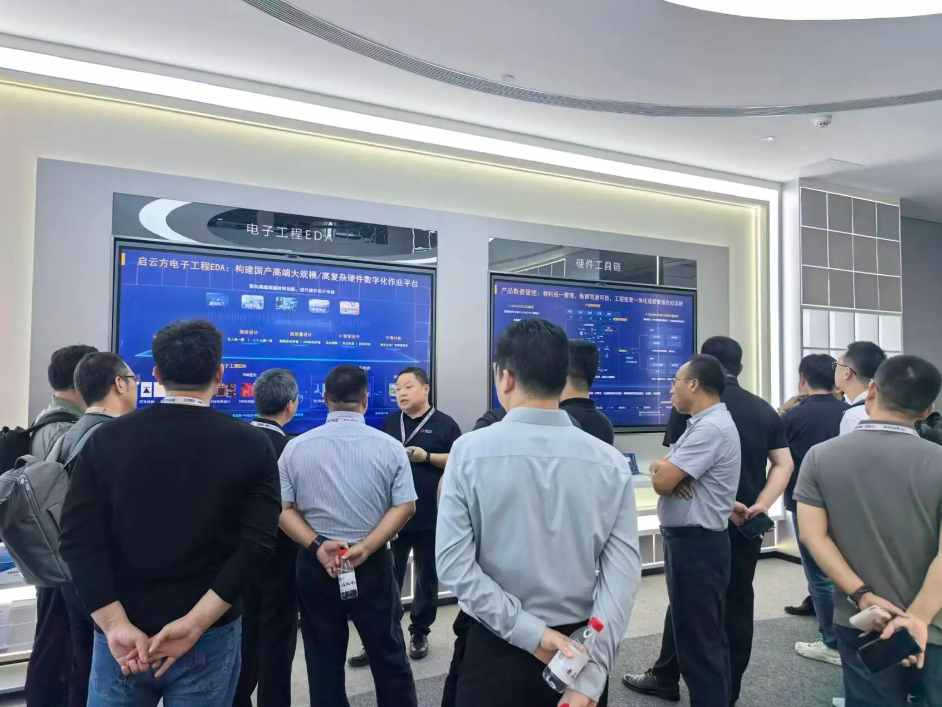
For Fany, the value of AI and domestic industrial software lies in how effectively they support real engineering work. A tool becomes useful when engineers can apply it to a project, understand its results, identify limitations and make sound technical decisions.
By connecting software applications with practical PCB projects, structured training and engineering experience, Fany aims to help build a stronger link between new tools and the people who use them. The company will continue to follow developments in domestic EDA and AI-enabled engineering, while focusing on practical skills that support electronic product design and development.
