
 Electronics Design & Development
 PCB Design & Layout Services
 PCB Fabrication & Prototyping
 PCB Assembly & PCBA Services





Understanding Circuit Board Electronic Components Basics
Understanding Circuit Board Electronic Components Basics
Circuit boards are the heart of modern electronic devices. They connect and support electronic components, enabling devices to function.
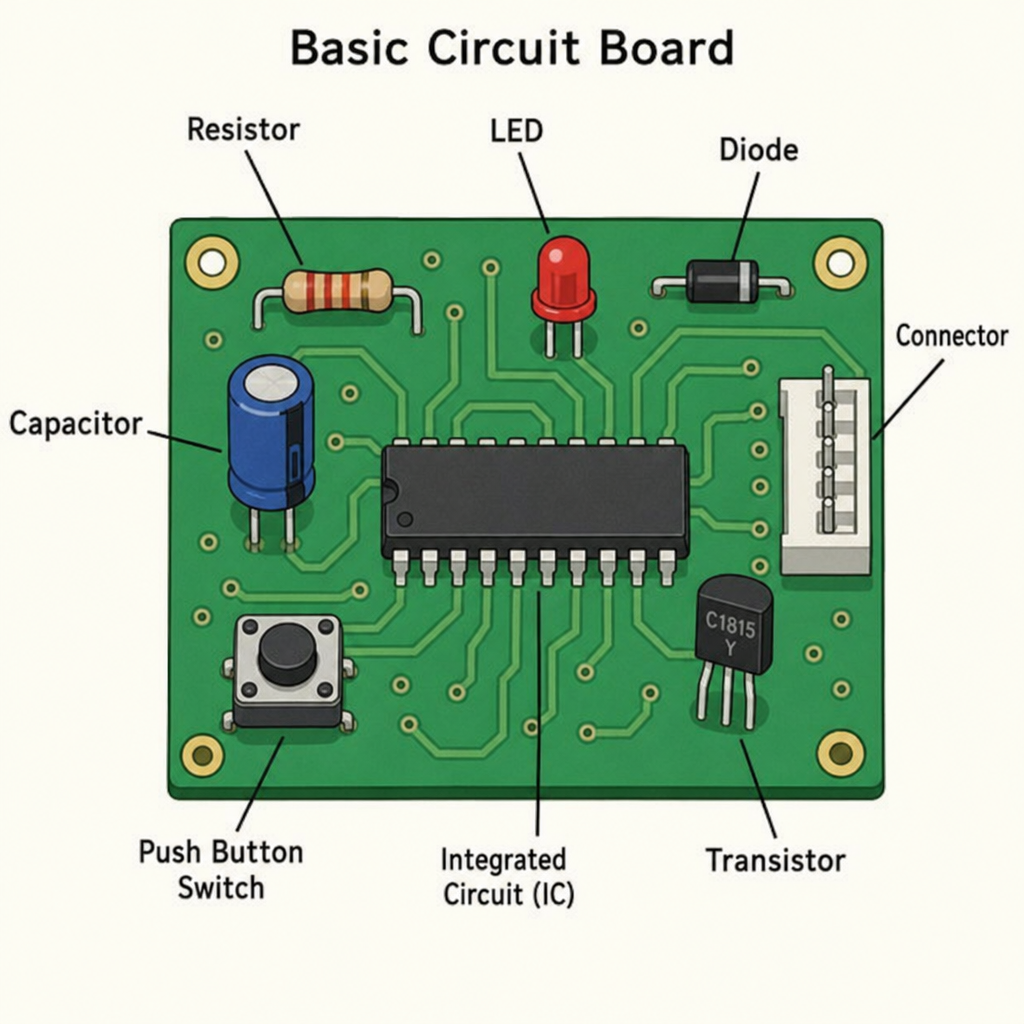
Understanding circuit board electronic components is crucial for anyone interested in electronics. These components include resistors, capacitors, diodes, and transistors.
Each component has a specific role. Resistors control current flow, while capacitors store and release energy. Diodes ensure current flows in one direction.
Transistors amplify signals and switch electronic signals. Integrated circuits combine multiple components into a single package.
The design and layout of a circuit board affect device performance. Proper assembly ensures reliability and efficiency.
Soldering is a key process in attaching components to circuit boards. It requires precision and skill.
Circuit boards come in various types, including single-layer and multi-layer. Each type serves different applications.
This guide will explore the basics of circuit board electronic components. It will help you understand their functions and importance.
What Is a Circuit Board?
A circuit board, often called a PCB (Printed Circuit Board), forms the core of most electronic devices. It provides a platform for connecting electronic components.
PCBs are made of layers of insulating material with copper tracks to connect parts. These tracks create an electrical circuit, allowing components to communicate.
The design of a circuit board impacts its performance. Layouts must be precise to prevent interference and ensure functionality.
Circuit boards can be simple or complex. They range from single-layer boards to multi-layer configurations, each with unique applications.
Some key features of circuit boards include:
Electrical pathways for component connections
Insulation layers for component protection
Mounting holes for attachment in devices
Circuit boards appear in many devices, from smartphones to industrial machinery. Understanding their structure is vital for designing efficient electronics.
Types of Circuit Boards
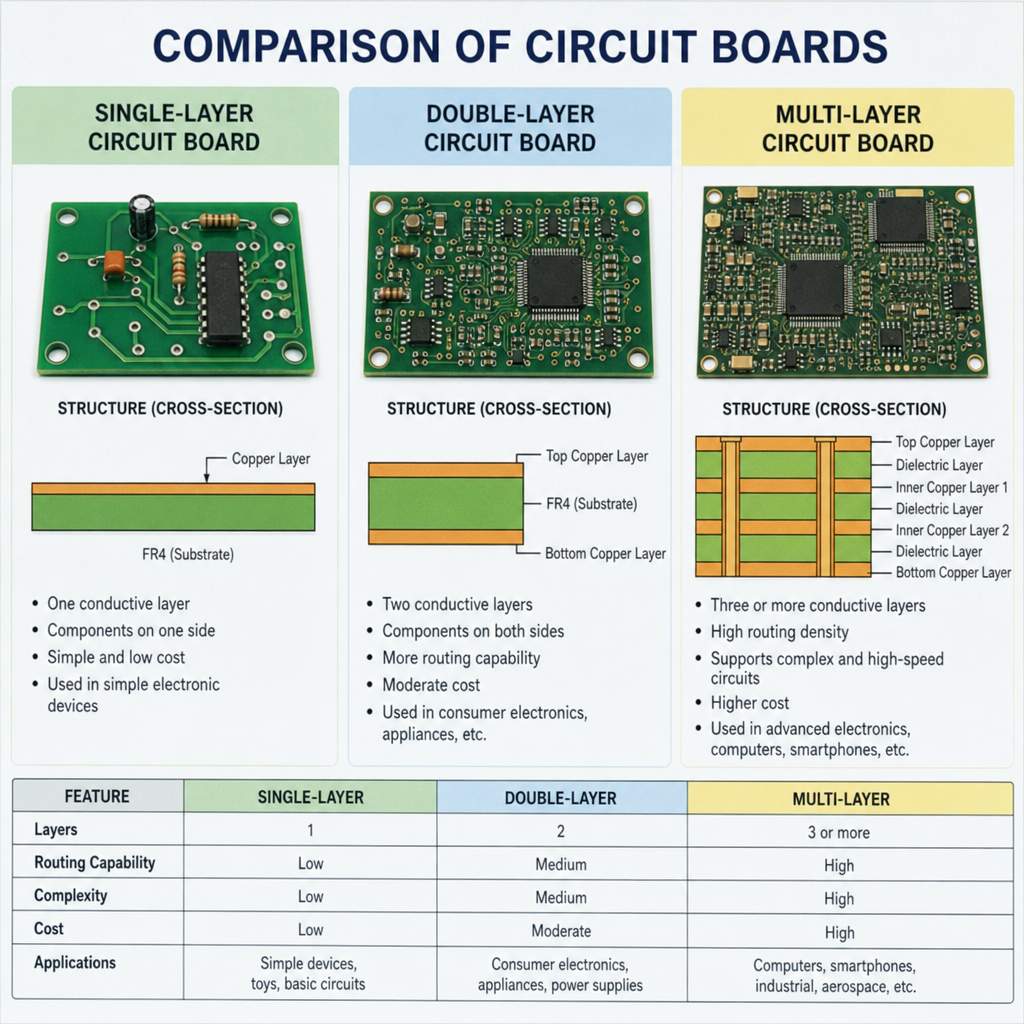
Circuit boards come in various forms to meet different electronic needs. Each type of board has distinct features and uses.
Single-layer boards are the simplest form. They have one conductive layer, making them cost-effective and suitable for simple gadgets.
Double-layer boards have two conductive layers. This design allows for more components and complex circuits, balancing cost and complexity.
Multi-layer boards have multiple conductive layers. They provide the highest density and are used in advanced devices requiring greater functionality.
Here's a quick look at these types:
Single-layer: Simple, economical
Double-layer: Moderate complexity, affordable
Multi-layer: High complexity, advanced applications
Choosing the right type is crucial for efficient design and performance. The application dictates which board type is suitable.
Overview of Electronic Components
Electronic components form the backbone of any circuit board. Each component has a unique function, contributing to the board's overall operation.
At their core, electronic components manipulate electrical signals to achieve desired outcomes, such as amplification or signal processing.
These components can be broadly categorized into active and passive components. Active components can control the flow of electricity, while passive components cannot.
Here's a quick breakdown of some key components:
Resistors: Control current flow
Capacitors: Store and release energy
Diodes: Allow current in one direction
Transistors: Amplify and switch signals
Integrated Circuits (ICs): Miniaturized circuits in one package
Each component plays a crucial role in the functionality of electronic devices. Understanding their functions is essential for designing and repairing circuit boards.
Passive Components: The Building Blocks
Passive components form the basic structure of circuit boards. They do not generate energy, instead they regulate its flow.
Resistors, capacitors, and inductors are three primary passive components. Each serves a specific function within electronic circuits.
Resistors impede the flow of electric current, converting energy into heat. Capacitors, on the other hand, store and discharge electrical energy.
Inductors store energy in a magnetic field when electrical current flows through them. They are particularly useful in filtering applications.
Here’s a brief overview of passive components:
Resistors: Control current, crucial for protecting circuits
Capacitors: Store energy, help stabilize power supply
Inductors: Store energy in magnetic fields, used in filtering and tuning
For anyone working with electronics, a basic understanding of these elements is essential. Each component plays a vital role in the reliability and functionality of electronic devices.
Resistors
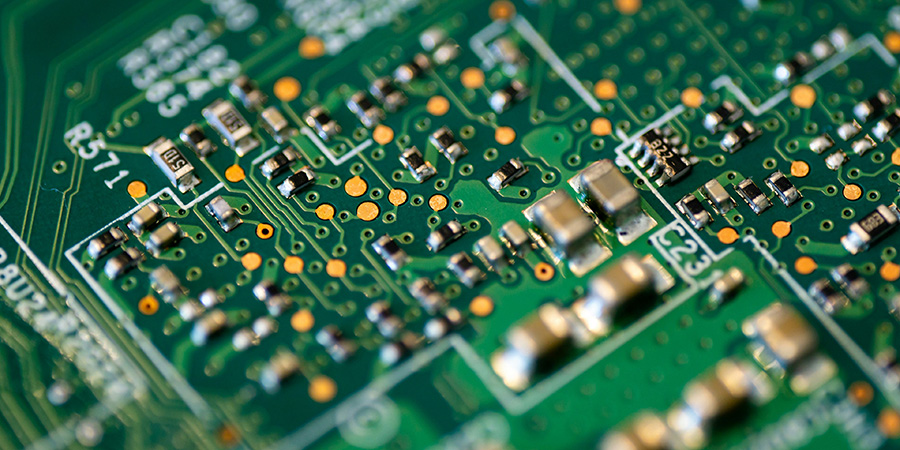
Resistors are essential for controlling current and voltages. They consist of a simple design but perform critical functions.
Their primary role is to reduce current flow in a circuit. Resistors come in various types to suit different applications.
Types of Resistors:
Carbon Film: Common and economical
Metal Film: Offers better precision
Wire-Wound: High power applications
Choosing the right resistor is crucial. It ensures the circuit operates safely without overheating or causing damage.
Capacitors
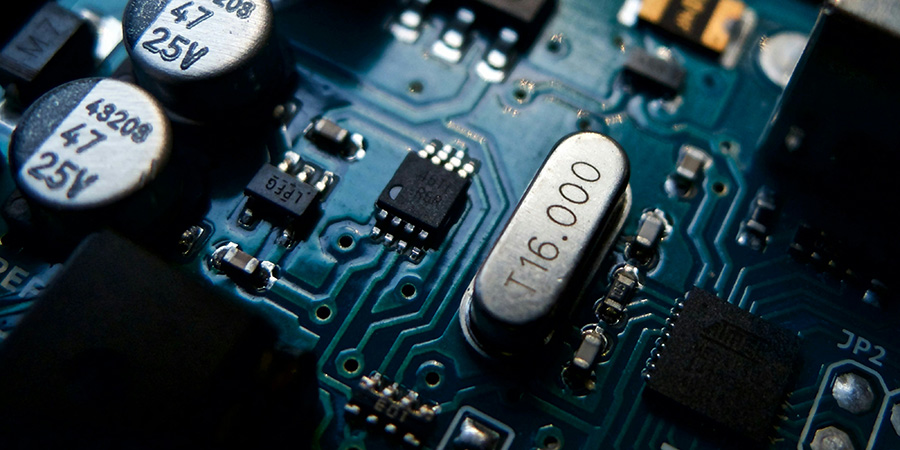
Capacitors are indispensable in managing power supply and signal filtering. They can charge and discharge energy, acting as temporary energy reservoirs.
This attribute makes them essential for stabilizing voltage and smoothing out fluctuations. Capacitors vary in type and application.
Types of Capacitors:
Ceramic: Compact, for high-frequency applications
Electrolytic: High capacity, for power supply circuits
Tantalum: Stable, small form factor
Selecting the correct capacitor type is critical. It determines the performance and efficiency of a circuit board.
Inductors
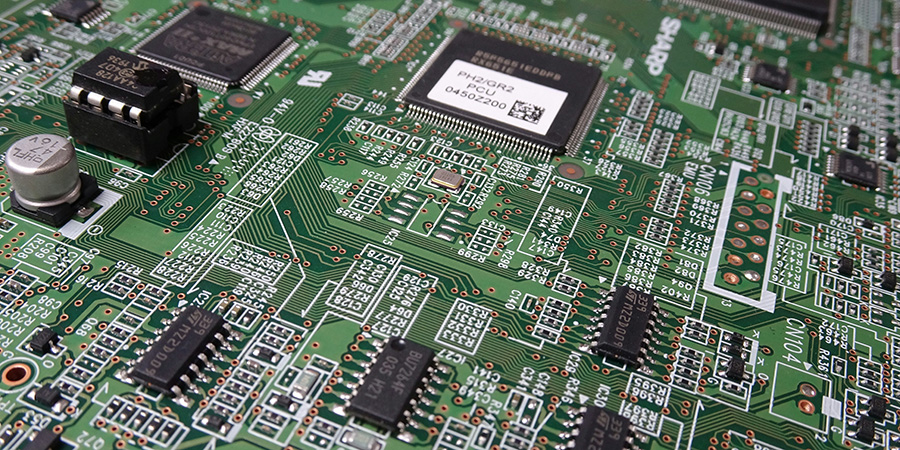
Inductors manage electromagnetic fields in circuits. They store energy temporarily and are key in filtering and tuning applications.
When current passes through, they generate magnetic fields. This feature is useful in radio-frequency applications.
Types of Inductors:
Air Core: No magnetic core, for high frequency
Iron Core: Enhanced magnetic field, for low frequency
Ferrite Core: Combines characteristics, common in power supplies
Understanding inductor usage is essential for efficient circuit design. They are vital for achieving desired signal frequencies and eliminating noise.
Active Components: Power and Control
Active components are vital for power management and signal control in circuits. Unlike passive components, they rely on an external source for operation.
These elements can amplify signals, generate electrical energy, or switch electrical currents, all crucial for circuit functionality.
The primary active components include diodes, transistors, and integrated circuits (ICs). Each serves unique purposes in electronic devices.
A diode allows current to pass in one direction, acting like a one-way gate. This characteristic prevents potential damage from reverse currents.
Transistors are central in amplification and switching roles. They are pivotal in nearly all modern electronic circuits, controlling electric flow and signal modulation.
Integrated circuits (ICs) streamline complex electronic functions. They compactly group transistors, capacitors, resistors, and other components into a single chip.
Key types of active components:
Diodes: Control the direction of current
Transistors: Amplify and switch signals
Integrated Circuits: Multitask in small form factor
Understanding these components improves circuit design and efficiency. Each contributes fundamentally to the capabilities of electronic devices.
Diodes
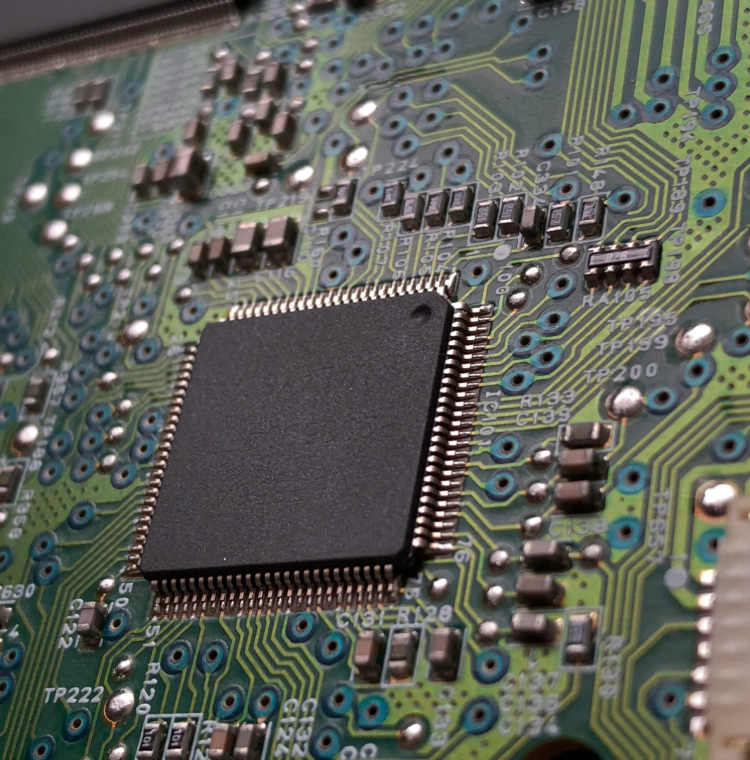
Diodes are semiconductors that direct current flow. They offer protection and rectification within circuits.
These components ensure current flows in one direction only, preventing reverse flow that could damage the circuit.
Common types of diodes:
Rectifier Diodes: Used for converting AC to DC
Zener Diodes: Maintain a constant voltage
Light Emitting Diodes (LEDs): Emit light when current passes through
Diodes are critical in both power and signal applications. They play protective and functional roles in electronic circuits.
Transistors
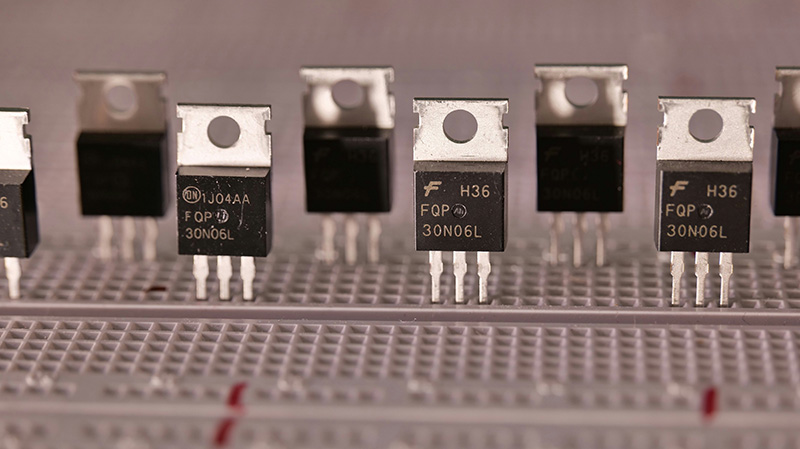
Transistors are the heart of modern electronic circuits. They amplify signals and control electrical power flow.
These components replace large components used in older electronic devices, resulting in compact and efficient circuits.
Key types of transistors:
Bipolar Junction Transistors (BJTs): Used for amplification
Field-Effect Transistors (FETs): Used in voltage controlled applications
Metal-Oxide-Semiconductor FETs (MOSFETs): Common in digital integrated circuits
Transistors have revolutionized electronic devices with their compact size and versatile functionality.
Integrated Circuits (ICs)
Integrated Circuits are miniature marvels. They pack numerous electronic components onto a single chip to perform complex tasks.
ICs are fundamental in reducing the size and cost of electronic devices while increasing reliability and functionality.
ICs come in various forms, including:
Analog ICs: Process analog signals
Digital ICs: Operate in binary
Mixed-Signal ICs: Handle both analog and digital data
These chips are indispensable in modern electronics. They streamline processes and enable compact device designs that are function-rich.
Other Essential Electronic Parts
In addition to the primary active and passive components, a circuit board includes several other critical parts. These parts contribute additional functionality and versatility.
Sensors, relays, connectors, and switches fall into this category. They often cater to specific application needs. Each part addresses unique functions essential for the circuit's overall performance.
Sensors detect environmental changes like temperature or light. They convert physical parameters into electrical signals.
Relays are switches operated electrically, allowing low-power circuits to control high-power devices.
Connectors and switches aid in linking circuits, establishing and breaking connections as needed.
These components enable sophisticated electronic functions. They suit varied applications, from consumer gadgets to industrial systems.
Incorporating these parts ensures device flexibility and functional enhancement. They play pivotal roles in the integration and operation of diverse electronic devices.
Sensors
Sensors bring awareness to circuits. They detect physical changes, like motion or heat, and convert them into signals.
This conversion allows electronic devices to respond and adjust to the environment.
Common sensor types:
Temperature Sensors: Monitor heat levels
Proximity Sensors: Detect object presence
Light Sensors: Sense ambient light levels
Incorporating sensors ensures circuits dynamically interact with their surroundings. They are crucial for smart, adaptive electronic solutions.
Relays
Relays act as controlled switches in circuits. They enable low-current circuits to switch higher-current circuits on or off.
This capability is crucial for power management and automation in devices. Relays ensure control without direct manual intervention.
Key relay functions:
Signal Switching: Control signals across circuits
Circuit Isolation: Separate circuit sections for safety
Load Management: Handle high power loads effectively
Relays enhance circuit efficiency, ensuring safe control over powerful or complex systems.
Connectors and Switches
Connectors and switches serve as vital links. Connectors join different parts of circuits or devices.
Switches control electricity flow, opening or closing the connection. Both play crucial roles in user interaction and device functionality.
Types include:
Pin Connectors: Simple yet reliable connections
Toggle Switches: Manually control circuits
Slide Switches: Offer multi-position circuit options
These components contribute to device usability and reliability, facilitating seamless electronic interactions and operations.
Mounting Technologies: SMT vs. THT
Choosing the right mounting technology affects a circuit board's efficiency and cost. Two main methods dominate: Surface-Mount Technology (SMT) and Through-Hole Technology (THT).
SMT involves placing components directly onto the surface of the circuit board. This method is popular for its efficiency and ability to handle high-density designs.
Advantages of SMT:
Compact Designs: Ideal for small devices
Automated Assembly: Faster production
Conversely, THT requires inserting component leads through pre-drilled holes in the board. It's more labor-intensive but known for strong mechanical bonds.
Benefits of THT:
Durability: Suits high-stress environments
Reliable Connections: Better solder joint strength
THT is excellent for applications needing ruggedness, whereas SMT is chosen for modern, compact electronics. Deciding between SMT and THT often depends on the device’s purpose and space constraints.
These mounting technologies shape the function and design flexibility of circuit boards. Selecting the appropriate technology is critical for meeting specific device requirements.
Circuit Board Materials and Layers
Circuit boards consist of multiple layers of varied materials, each serving a distinct purpose. The choice of materials affects electrical performance and durability.
The core layer, typically made of fiberglass, provides structural integrity. Above this core, copper layers are etched to form conductive pathways.
Common circuit board materials:
FR-4: A glass-reinforced epoxy laminate
Metal: Offers superior heat dissipation
Ceramics: Used for high-frequency applications
Designers often opt for single-layer boards for simple circuits. However, multi-layer boards are preferred in complex electronic devices due to their enhanced functionality.
These layers, pressed together, form the complete circuit board. The assembly is designed to withstand thermal and mechanical stresses.
Circuit board layers and materials must align with the device's specific requirements. Proper selection is crucial for reliable performance across different environments.
Soldering and Assembly Techniques
Soldering is a vital step in attaching electronic components to a circuit board. It involves melting a metal alloy to form a secure connection.
There are various soldering methods used in the industry. These include:
Hand Soldering: Suitable for small-scale projects or repairs
Wave Soldering: Efficient for bulk production
Reflow Soldering: Commonly used for surface-mount components
Each method serves specific purposes, based on project scale and components used. The right technique ensures optimal electrical connectivity.
Proper soldering requires precise temperature control. This prevents damage to components and maintains the board's integrity.
Assembly techniques can vastly impact the performance of electronic devices. Selecting the right technique depends on the complexity and type of components used. This ensures a reliable final product.
Circuit Board Design and Layout Basics
Designing a circuit board involves strategic planning for optimal performance. Every detail matters, from component placement to trace routing.
A well-thought-out layout minimizes signal interference. It also ensures efficient power distribution and thermal management.
Key elements to consider when designing a circuit board include:
Component Placement: Strategic alignment for functionality
Trace Routing: Efficient pathways for current flow
Thermal Management: Heat dissipation methods to prevent overheating
Software tools assist in the creation of intricate designs. They provide simulations to anticipate potential issues before fabrication.
Good design practices can significantly enhance the reliability of electronic devices. They help prevent costly revisions by identifying issues early in the design process.
Testing, Troubleshooting, and Quality Control
Testing is a critical phase in circuit board production. It ensures every component functions as intended.
Troubleshooting follows testing. It identifies and rectifies issues that can affect the overall performance.
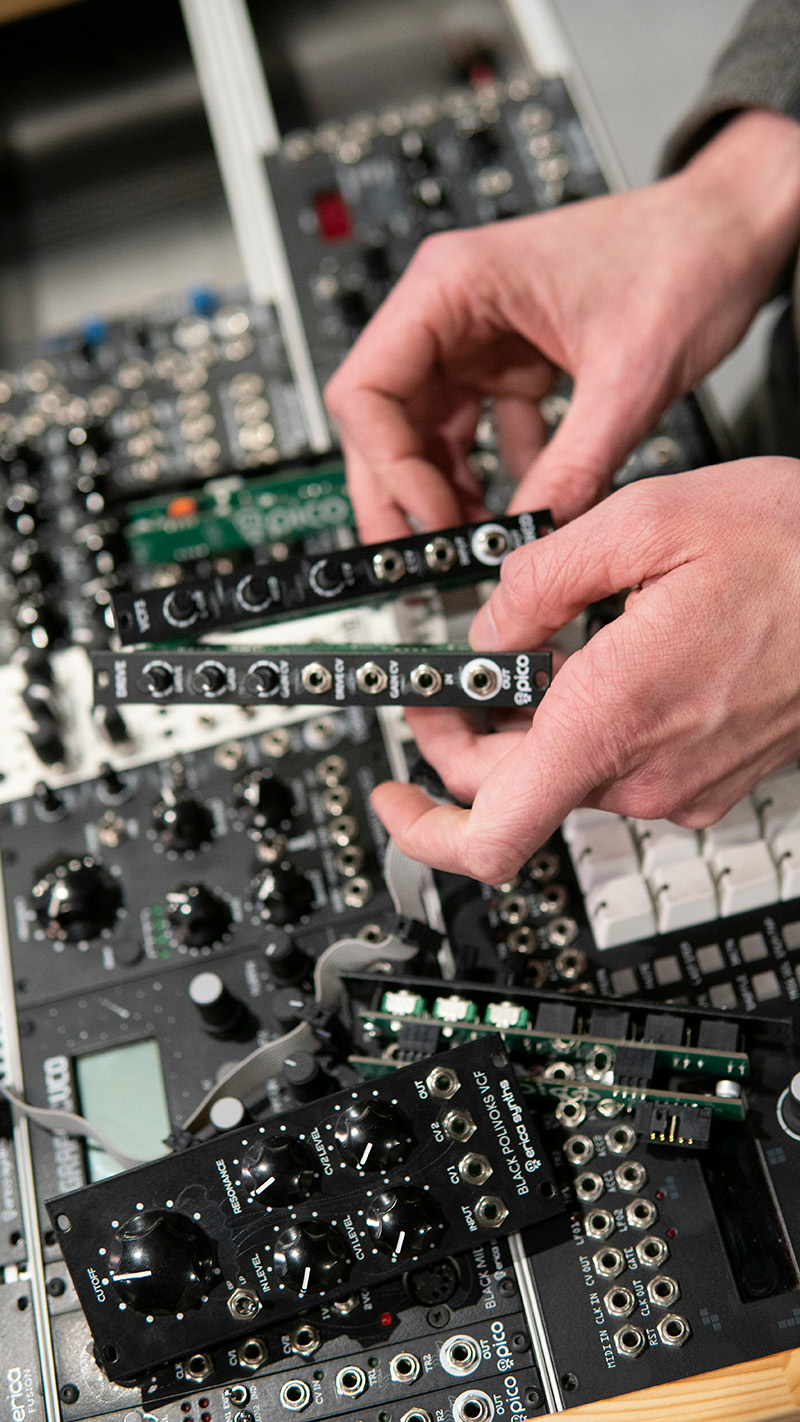
A thorough quality control process guarantees product reliability. Here’s what it involves:
Functional Testing: Verifies the performance under real conditions
Visual Inspection: Checks for physical defects or soldering issues
In-Circuit Testing: Analyzes the electrical performance of individual components
High-quality electronics rely on rigorous testing standards. This reduces the risk of failures in the field.
Incorporating multiple testing methods helps catch errors early. It provides confidence that the circuit board will perform reliably.
Applications of Circuit Board Electronic Components in Devices
Circuit boards are the heart of many modern devices. They provide the platform for electronic components to interact seamlessly.
In consumer electronics, circuit boards power everything from smartphones to televisions. They enable the compact design of these devices.
Industrial machines also depend on circuit boards. They control complex operations with precision and reliability.
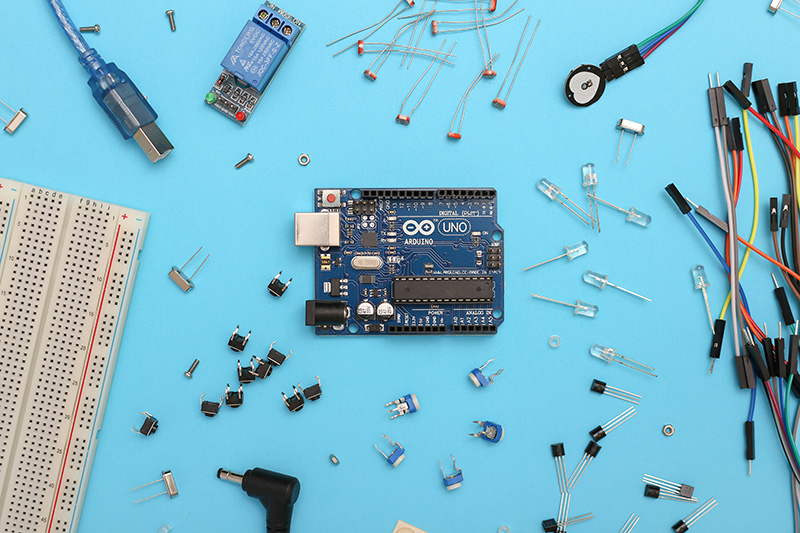
Beyond consumer and industrial uses, circuit boards are integral to:
Automotive Systems: Manage everything from navigation to engine control
Medical Equipment: Maintain high standards for safety and accuracy
Telecommunication Devices: Ensure reliable data transmission across networks
Each application demands specific design standards. This ensures functionality under different conditions. Circuit boards adapt to meet varied needs across industries, highlighting their versatility and essential role in modern technology. They continue to drive innovation and efficiency in countless applications.
Innovations and Trends in Circuit Board Technology
The world of circuit boards never stands still. New technologies push boundaries, making them more efficient and versatile.
Miniaturization remains a significant trend. Smaller components allow for more compact and lightweight devices, enhancing portability and user convenience.
Another key trend is the use of advanced materials. These improve thermal management and electrical performance.
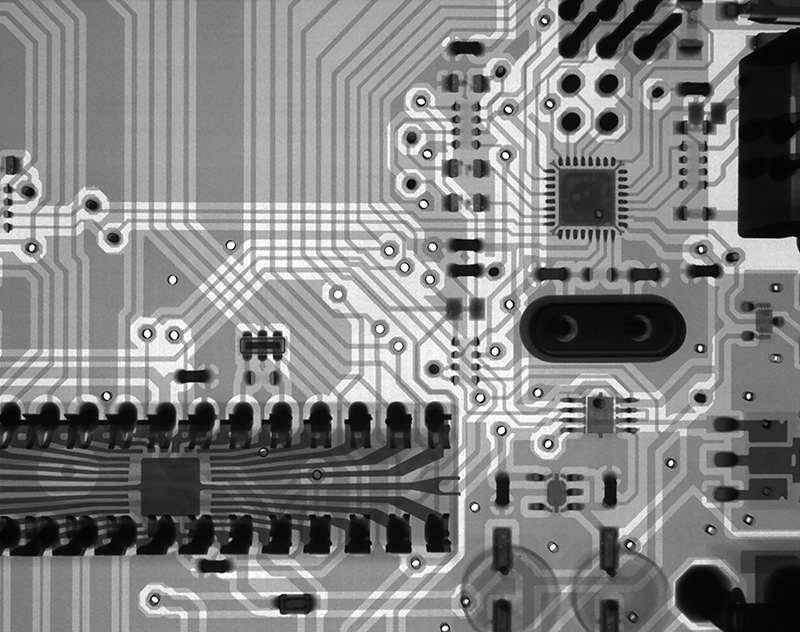
Emerging innovations include:
Flexible Circuit Boards: For wearable devices and unusual form factors
Internet of Things (IoT) Integration: Seamless connectivity in everyday objects
3D Printing: For fast prototyping and custom designs
These trends highlight the sector's dynamic nature. As demand for complex electronic devices grows, circuit board technology will continue to evolve, driving new possibilities and applications. Staying informed about these innovations is crucial for anyone in the field.
Key Takeaways and Tips for Beginners
Understanding circuit board electronic components is fundamental for anyone interested in electronics. These components form the backbone of all electronic devices.
For beginners, it's essential to start with the basics. Familiarizing yourself with the primary components like resistors, capacitors, and diodes is a good first step.
Consider the following beginner tips:
Study Schematic Symbols: Know how each component is represented in diagrams.
Practice Soldering: Hands-on experience improves skills.
Use Simulation Software: Test circuits digitally before building physically.
Learning about circuit boards opens doors to endless possibilities in electronics design and innovation. Embarking on this journey equips you with the skills to create your own electronic masterpieces.
Conclusion
Circuit board electronic components are integral to the functioning of modern devices. From simple household gadgets to complex machinery, they form the core of technology.
Understanding each component's role enhances your ability to design and troubleshoot. This knowledge is invaluable whether you are a student, hobbyist, or professional in electronics.
As technology advances, so does the complexity of circuit boards. Staying updated with trends and continuously learning will ensure you remain adept in this ever-evolving field. Embrace the challenges and opportunities that come with electronic innovation.
