
 Electronics Design & Development
 PCB Design & Layout Services
 PCB Fabrication & Prototyping
 PCB Assembly & PCBA Services





Mission-Critical PCBA Manufacturing for Medical CT & Diagnostic Systems
Mission-Critical PCBA Manufacturing for Medical Electronics & CT Scanners
Medical diagnostic hardware—such as CT scanner mainboards, ultrasound beamformers, and patient monitoring control units—demands absolute operational uptime. A single field failure in a medical environment is unacceptable.
Meeting these requirements requires adhering to IPC Class 3 fabrication standards, rigorous thermal management, and strict medical quality management systems.
Core Requirements for Medical-Grade Printed Circuit Manufacturing
1. IPC Class 3 vs. Class 2 Standards
While standard commercial electronics operate under IPC Class 2, medical life-support and diagnostic systems require IPC Class 3 fabrication and assembly:
● Plating Thickness in Through-Holes: Minimum 1 mil (25μm) average copper plating in hole walls to withstand thermal expansion stress.
● Solder Joint Inspection: Zero tolerance for crack propagation, dewetting, or incomplete barrel fill on through-hole pins.
2. High Thermal Dissipation Architectures
Power distribution boards in CT scanners generate substantial thermal loads. Utilizing heavy copper layers (3 oz−6 oz), aluminum core substrates, or localized thermal vias allows rapid heat dissipation away from core processing chips.
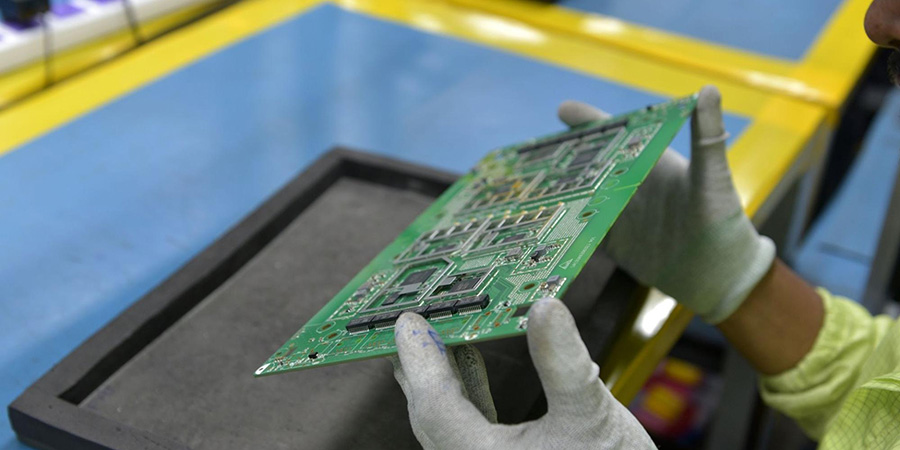
Ensuring Traceability & Compliance
Every medical pcba manufacturing run must maintain full Component Lot Traceability. ISO 13485 certification mandates that every component batch, reel, solder paste lot, and reflow profile temperature log be archived for up to 10 years.
