
 Electronics Design & Development
 PCB Design & Layout Services
 PCB Fabrication & Prototyping
 PCB Assembly & PCBA Services





High-Reliability PCB Layout & Low-Volume Medical Assembly Guide
Engineering High-Reliability Electronics: From Precision Layout to Low-Volume Medical Assembly
Developing electronics for mission-critical sectors—such as medical diagnostic devices, surgical instrumentation, aerospace control units, and industrial safety systems—leaves no margin for failure. In these demanding environments, a single unexpected signal drift, solder joint fatigue crack, or thermal breakdown can jeopardize patient safety or crash complex industrial machinery.
Building mission-critical hardware requires a specialized approach. Engineering teams must pair a meticulous pcb design and layout company with a highly certified low volume pcb assembly supplier. Aligning rigorous front-end design rules with precision short-run manufacturing safeguards device integrity long before mass deployment begins.
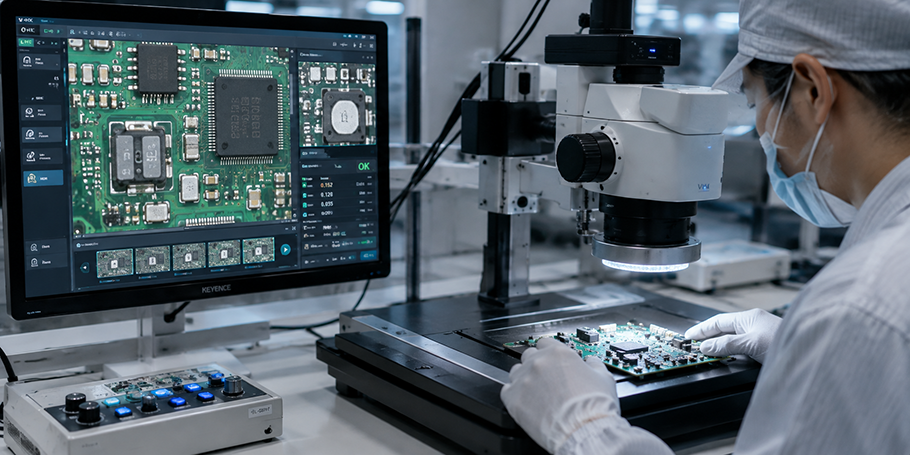
Design Rules for High-Reliability Circuit Layouts
Designing for high-reliability applications requires far more than basic trace routing. Layout engineers must follow stringent international standards, such as IPC-2221 for general design and IPC-2222 for rigid organic printed boards, to ensure long-term durability under environmental stress.
1. Creepage and Clearance Distance Management
In high-voltage medical power supplies or industrial control modules, maintaining adequate physical clearance through air and creepage distance along insulating surfaces is essential. Layout engineers must calculate trace spacing based on peak operating voltages, atmospheric pollution degrees, and material comparative tracking index values to prevent high-voltage arcing or dielectric breakdown.
2. Signal Isolation and Grounding Strategies
Precision medical sensors, such as those used in CT scanner acquisition modules, capture extremely weak microvolt signals. Layout specialists must enforce strict physical separation between sensitive analog sensor traces and high-frequency digital lines. Implementing dedicated ground planes, star-grounding topology, and strategic guard traces prevents electromagnetic interference from corrupting critical sensor readings.
Navigating Regulatory Requirements and Quality Standards
When transitioning from physical layout to component mounting, manufacturing processes must satisfy strict quality management frameworks.
Commercial electronics typically adhere to IPC Class 2 standards, but medical and aerospace designs demand IPC Class 3 compliance. This classification enforces stricter manufacturing controls, including zero plating breakouts in through-holes, a minimum copper plating thickness of 25 microns on hole walls, and minimal allowable solder voids beneath bottom-terminated components. Furthermore, the manufacturing facility must maintain active ISO 13485 certification for medical devices or AS9100 certification for aerospace electronics.
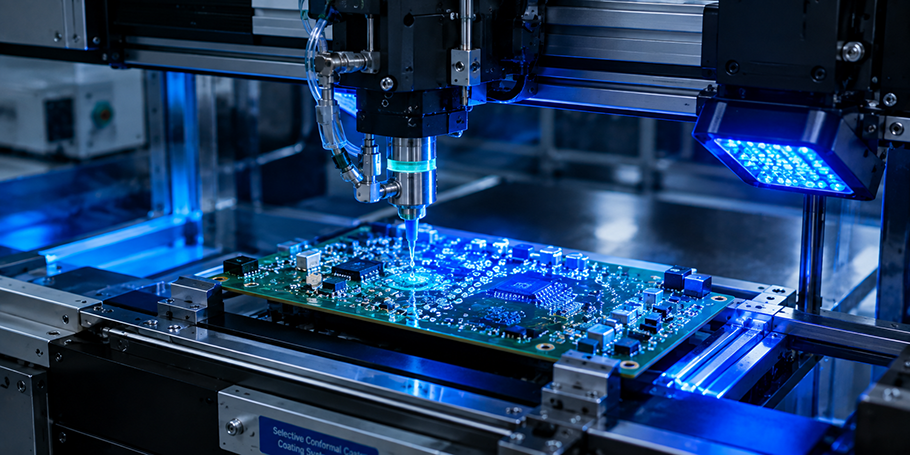
Process Discipline for Short-Run Assembly Partners
Executing small production runs of mission-critical hardware requires a specialized low volume pcb assembly supplier capable of executing strict process validations without requiring large-volume setups.
3D Solder Paste Inspection: Measures paste deposit volume, height, and alignment prior to component placement, preventing cold solder joints or solder bridging.
Automated X-Ray Inspection: Inspects hidden solder connections underneath Ball Grid Arrays and bottom-terminated packages to verify solder void ratios remain safely below 15 percent.
Ionic Contamination and Cleanliness Testing: Chemical residues left behind during soldering can trigger electrochemical migration over time. Short-run suppliers perform Resistivity of Solvent Extract testing to confirm surface cleanliness meets strict medical standards.
Conformal Coating Application: Applying protective acrylic, silicone, or polyurethane conformal coatings shields sensitive component leads against moisture, dust, and corrosive industrial atmospheres.
Full Traceability: Protecting Your Supply Chain
Traceability is a fundamental requirement of mission-critical manufacturing. If a component fails during field operations, engineers must be able to isolate every circuit assembly produced within that same batch immediately.
A qualified short-run assembly partner laser-etches unique 2D DataMatrix barcodes onto bare boards before component placement. This barcode links directly to an automated database that logs component reel lot codes, SMT line placement data, reflow oven temperature profiles, and final inspection logs for every unit produced.
Secure Your High-Reliability Hardware Roadmap
Do not compromise on quality when human health or critical infrastructure depends on your electronic hardware. Partner with an experienced layout team and a certified short-run manufacturer to ensure complete compliance and reliability.
Developing a high-reliability medical or industrial device?
Contact our ISO 13485 certified engineering team today to upload your project files for a free DFM and compliance review.
