
 Electronics Design & Development
 PCB Design & Layout Services
 PCB Fabrication & Prototyping
 PCB Assembly & PCBA Services





PCB Assembly Quality: How Advanced Capabilities Reduce Defects & Improve Reliability
Industrial PCBs must operate reliably in harsh environments, so PCB assembly quality is non-negotiable. Advanced PCB assembly capability uses cutting-edge technology and processes to minimize defects, ensuring long-term product reliability.
Automated SMT Assembly for Consistent Quality
Manual soldering is prone to human error, but automated SMT assembly ensures consistent quality. Suppliers with strong PCB assembly capability use pick-and-place machines with ±0.02mm accuracy, reducing component misalignment defects by 95%. A Singapore-based PCB assembly supplier reports that automated SMT assembly reduces defect rates from 5% to 0.1% for industrial PCBs, improving product reliability.
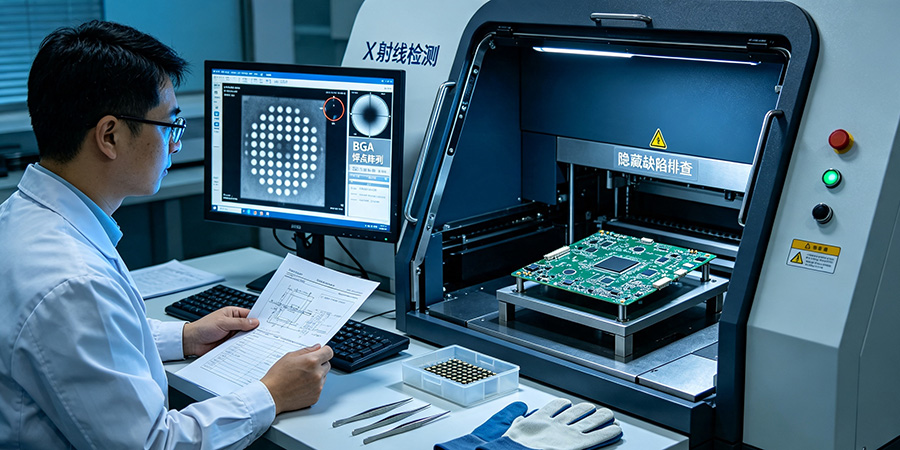
X-Ray Inspection for Hidden Defect Detection
Complex components like BGAs have hidden solder joints that are impossible to inspect visually. Advanced PCB assembly capability includes X-ray inspection to verify solder joint integrity, detecting voids and cold joints that could cause product failures. A medical device manufacturer uses X-ray inspection for 100% of their PCBs, reducing field failures by 35% and ensuring compliance with FDA regulations.
Design for Manufacturability (DFM) Support
A supplier’s PCB assembly capability includes DFM support to optimize designs for assembly. Engineers review PCB designs before production to identify potential issues like component placement errors or solder mask defects. A Canadian industrial automation company reduced assembly defects by 25% by working with a supplier that offers DFM services, avoiding costly reworks and delays.
Environmental Testing for Industrial Reliability
Industrial PCBs must withstand extreme temperatures, vibration, and moisture, so suppliers’ PCB assembly capability includes environmental testing. Advanced suppliers perform temperature cycling, vibration testing, and humidity testing to validate product reliability. A German aerospace PCB assembly supplier tests PCBs at -40°C to 125°C, ensuring they operate reliably in aerospace environments.
Solder Process Optimization for Durability
The solder process is critical to PCB assembly quality. Suppliers with advanced capability use lead-free solder with high thermal resistance, ensuring solder joints withstand extreme temperatures. A Chinese PCB assembly supplier uses nitrogen reflow soldering to reduce oxidation, improving solder joint strength by 20% for industrial motor control PCBs.
Traceability & Documentation for Compliance
Reliable PCB assembly capability includes full traceability of components and processes. Suppliers track every component from sourcing to assembly, providing documentation for compliance with automotive and medical regulations. A US-based PCB assembly supplier uses blockchain technology to track component origins, ensuring no counterfeit parts are used in medical device PCBs.
Conclusion: Advanced PCB assembly capability is key to reducing defects and improving industrial PCB reliability. By partnering with suppliers that offer automated assembly, advanced inspection, and DFM support, you can ensure your products meet the highest quality standards and operate reliably in harsh environments.
