
 Electronics Design & Development
 PCB Design & Layout Services
 PCB Fabrication & Prototyping
 PCB Assembly & PCBA Services





How to Choose the Right PCB Assembler for Your Project: 7 Key Factors to Consider
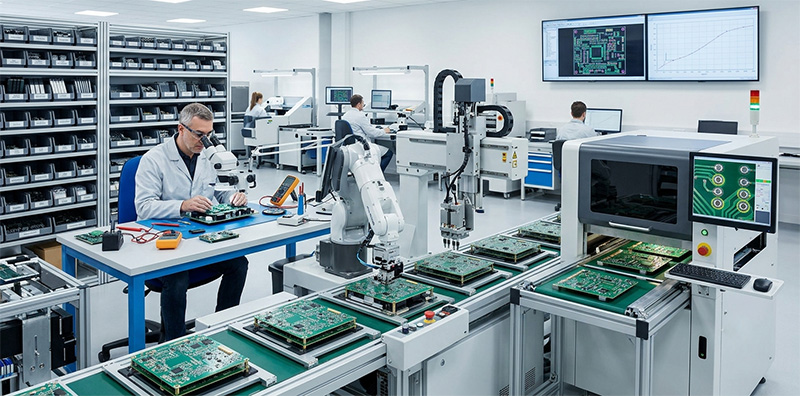
When embarking on an electronics project, selecting the right PCB assembler can make or break your product’s success. With countless PCB assembly services available, it’s essential to prioritize factors that align with your project’s unique needs. Below are 7 key considerations to help you choose the perfect PCB assembler:
1. Industry Experience & Technical Expertise
A PCB assembler with years of experience in your niche (e.g., automotive, medical, aerospace) brings invaluable insights into industry-specific standards and challenges. Look for providers that demonstrate expertise in complex PCB designs, such as high-density interconnect (HDI) boards, flexible PCBs, or high-frequency circuits. Ask for case studies or portfolio examples similar to your project to validate their capabilities.
2. Quality Control Certifications
Reliable PCB assembly services adhere to strict quality standards. Certifications like ISO 9001 (quality management) and IPC-A-610 (electronics assembly acceptability) are non-negotiable. Additionally, check if they offer testing services such as automated optical inspection (AOI), in-circuit testing (ICT), or X-ray inspection to catch defects early.
3. Component Sourcing & Supply Chain Management
A top-tier PCB assembler should offer comprehensive component sourcing solutions, including access to authorized distributors, obsolete component replacement, and risk mitigation for supply chain disruptions. Ensure they provide transparency in component pricing and can verify the authenticity of parts to avoid counterfeit components.
4. Turnaround Time & Flexibility
Whether you need rapid prototyping or large-scale production, your PCB assembler should accommodate your timeline. Look for providers that offer flexible turnaround options (e.g., 24-hour PCB assembly for urgent projects) without compromising quality. Discuss their capacity to scale production as your project grows.
5. Cost Transparency
Avoid hidden fees by choosing a PCB assembly service that provides detailed, itemized quotes. Understand their pricing structure—whether it’s based on per-unit costs, setup fees, or additional charges for specialized services like conformal coating or lead-free assembly. A trustworthy partner will explain cost drivers and help you optimize your design for affordability.
6. Design for Manufacturability (DFM) Support
Early DFM feedback can save you time and money by identifying design flaws before production. The best PCB assemblers offer free DFM reviews to optimize your layout for assembly, reduce errors, and improve yield. This collaborative approach ensures your design is production-ready from day one.
7. Customer Communication & Support
Effective communication is critical for project success. Choose a PCB assembler that assigns a dedicated account manager to address your queries promptly. They should provide regular updates on production status and be responsive to changes or challenges that arise during assembly.
Conclusion: By evaluating these 7 factors, you can select a PCB assembler that not only meets your technical requirements but also becomes a long-term partner in your product’s success. Don’t hesitate to request quotes, visit their facilities (in-person or virtually), and ask for customer references to make an informed decision.
