
 Electronics Design & Development
 PCB Design & Layout Services
 PCB Fabrication & Prototyping
 PCB Assembly & PCBA Services





Printed Circuit Board Assembly: Avoid Costly Mistakes & Get Reliable PCBs Every Time
Whether you’re building a consumer gadget, industrial sensor, or medical device, the success of your electronic product hinges on flawless printed circuit board assembly (PCBA). A single misaligned component or solder defect can lead to costly reworks, delayed launches, or even product failures in the field. But with the right knowledge and partner, you can streamline your assembly process, reduce costs, and deliver reliable PCBs every time.
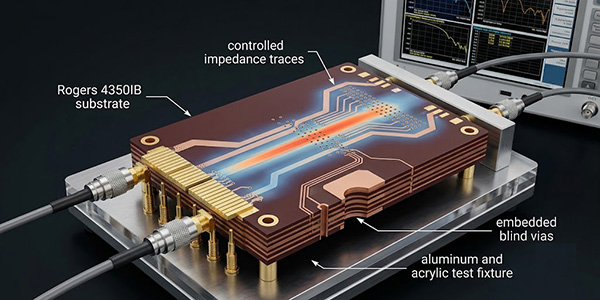
What Is Printed Circuit Board Assembly?
Printed circuit board assembly is the process of soldering electronic components (resistors, capacitors, ICs, connectors, etc.) onto a bare PCB to create a functional electronic circuit. This step transforms a blank circuit board into a working module, bridging the gap between design and a finished product.
Modern PCBA combines manual precision and automated technology to ensure accuracy, speed, and consistency. The process typically includes:
1. Design for Manufacturability (DFM) Review: Catching design flaws before assembly to avoid reworks.
2. Component Sourcing: Procuring authentic, RoHS/REACH-compliant parts from authorized distributors.
3. Assembly: Using automated pick-and-place machines for surface-mount technology (SMT) or manual soldering for through-hole components.
4. Testing: Conducting automated optical inspection (AOI), in-circuit testing (ICT), and functional testing to verify performance.
SMT vs DIP Assembly: Which Is Right for Your Project?
Choosing between surface-mount technology (SMT) and through-hole (DIP) assembly is critical to your project’s success. Here’s how they compare:
· SMT Assembly: Ideal for compact, high-density designs (e.g., smartphones, wearables). Components are soldered directly to the PCB surface using automated machines, enabling faster production and smaller form factors. 80% of modern electronic devices use SMT due to its efficiency and space-saving benefits.
· DIP Assembly: Best for components that require high mechanical stability (e.g., power connectors, large capacitors). Components are inserted through holes in the PCB and soldered on the opposite side, making them more durable for industrial or high-vibration environments.
Most complex projects use a hybrid approach, combining SMT for small components and DIP for larger, high-stakes parts. Our engineering team can help you select the right assembly method based on your design, budget, and application.
5 Costly Mistakes to Avoid in PCB Assembly
1. Skipping DFM Reviews: 60% of assembly defects stem from poor design choices (e.g., incorrect pad sizes, insufficient spacing). A free DFM review can catch these issues early, saving you up to 40% in rework costs.
2. Using Counterfeit Components: Fake parts cause 30% of field failures. Always work with assembly providers who source from authorized distributors like Digikey or Mouser.
3. Ignoring IPC Standards: IPC-A-610 is the global benchmark for PCB assembly quality. Choosing a provider that adheres to these standards ensures your PCBs meet industry reliability requirements.
4. Overlooking Testing: Skipping functional testing increases the risk of defective products reaching customers. Our quick-turn testing processes catch 99% of defects before shipping.
5. Choosing Price Over Quality: A cheap assembly service may save you money upfront, but reworks and field failures will cost you more in the long run. Look for providers that balance competitive pricing with proven quality.
How to Choose the Right PCB Assembly Service Provider
When selecting a partner for printed circuit board assembly, prioritize these factors:
· Industry Experience: Look for providers with 10+ years of experience in your niche (e.g., medical, automotive, industrial).
· Quality Certifications: Ensure they hold ISO 9001 and IPC certifications to guarantee consistent quality.
· End-to-End Services: A one-stop provider that handles fabrication, assembly, and testing simplifies your supply chain and reduces lead times.
· Transparent Communication: A dedicated project manager who provides real-time updates ensures you’re always in the loop.
Our Printed Circuit Board Assembly Services
At [Your Brand], we specialize in high-quality, cost-effective PCB assembly for prototypes and production runs. Our services include:
· SMT, DIP, and Hybrid Assembly: Flexible solutions for all project types.
· Free DFM Reviews: Catch design flaws before assembly to save time and money.
· Rigorous Testing: AOI, ICT, and functional testing to ensure 100% performance.
· Fast Lead Times: Prototypes in 24 hours, production in 3 days.
We serve startups, SMEs, and Fortune 500 companies across aerospace, medical, and consumer electronics industries. Our team of IPC-certified technicians uses state-of-the-art equipment to deliver reliable PCBs that meet your exact specifications.
Ready to Get Started?
Don’t let assembly mistakes derail your electronic project. Our expert team is here to guide you through every step of the printed circuit board assembly process, from design to delivery.
