
 Electronics Design & Development
 PCB Design & Layout Services
 PCB Fabrication & Prototyping
 PCB Assembly & PCBA Services





High-Volume PCB Assembly Capability: Meeting the Demands of Automotive & Consumer Electronics
The automotive and consumer electronics industries demand high-volume production without compromising quality, making PCB assembly capability a critical factor for success. Advanced suppliers use automated technology and scalable processes to meet these demands, delivering millions of reliable PCBs annually.
Automotive Industry Requirements for PCB Assembly Capability
Automotive electronics require PCBs that withstand extreme temperatures, vibration, and moisture, making high-volume assembly a challenge. Suppliers with robust PCB assembly capability use automated lines that handle complex automotive components like ADAS sensors and infotainment systems. For example, a Chinese PCB assembly supplier produces 500,000 automotive PCBs monthly for electric vehicle manufacturers, using IATF 16949-certified processes to ensure compliance with automotive quality standards.
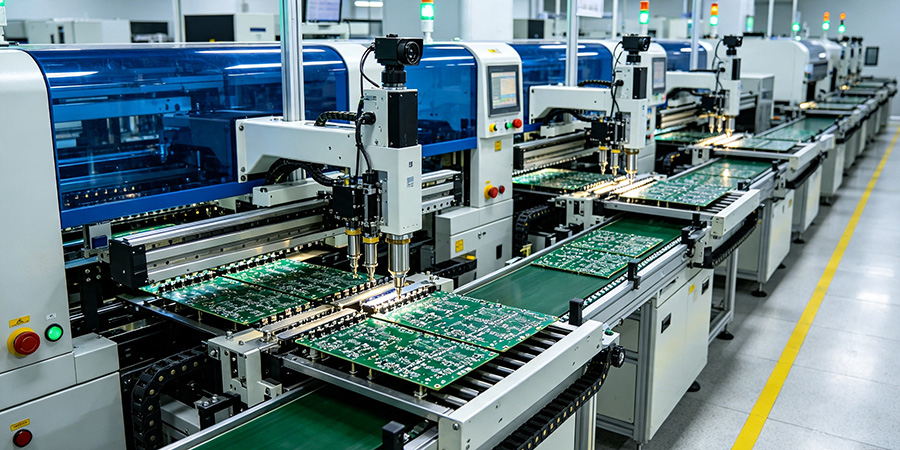
High-Volume SMT Assembly for Consumer Electronics
Consumer electronics like smartphones and wearables require high-volume production with short lead times. PCB assembly capability for these industries includes fast pick-and-place machines that place 1 million components per hour, ensuring mass production targets are met. A South Korean PCB assembly supplier partners with a global smartphone brand, delivering 2 million PCBs monthly with a 99.9% pass rate, supporting the brand’s quarterly product launches.
Scalable Production Lines for Fluctuating Demand
Automotive and consumer electronics demand fluctuates with market trends, so suppliers need flexible PCB assembly capability. Advanced suppliers use modular production lines that can scale up or down based on order volume. For example, a European PCB assembly supplier adjusts production lines from 10,000 to 100,000 PCBs per week for seasonal consumer electronics demand, ensuring on-time delivery without overproducing.
Component Sourcing for High-Volume Projects
High-volume PCB assembly capability includes efficient component sourcing to avoid shortages. Suppliers partner with global component manufacturers to secure large quantities of parts at competitive prices. A US-based PCB assembly supplier uses AI to predict component shortages, ensuring they have 3-month stock of critical automotive components, reducing production delays by 30%.
Quality Control for High-Volume Production
Maintaining quality in high-volume production requires automated quality control. Suppliers with strong PCB assembly capability use AI-powered AOI and X-ray inspection to detect defects in real time, ensuring no faulty PCBs reach customers. A Japanese PCB assembly supplier inspects 20,000 automotive PCBs daily with automated systems, reducing manual inspection time by 50% while improving defect detection accuracy.
Sustainable Assembly Practices for Modern Industries
Automotive and consumer electronics brands prioritize sustainability, so suppliers’ PCB assembly capability includes eco-friendly processes. Advanced suppliers use lead-free solder, recyclable packaging, and energy-efficient production lines. A German PCB assembly supplier reduces carbon emissions by 40% using solar-powered production lines, meeting the sustainability goals of their automotive clients.
Conclusion: High-volume PCB assembly capability is essential for meeting the production demands of automotive and consumer electronics industries. By partnering with suppliers that offer scalable automated lines, efficient component sourcing, and strict quality control, brands can deliver reliable products to market faster and more sustainably.
